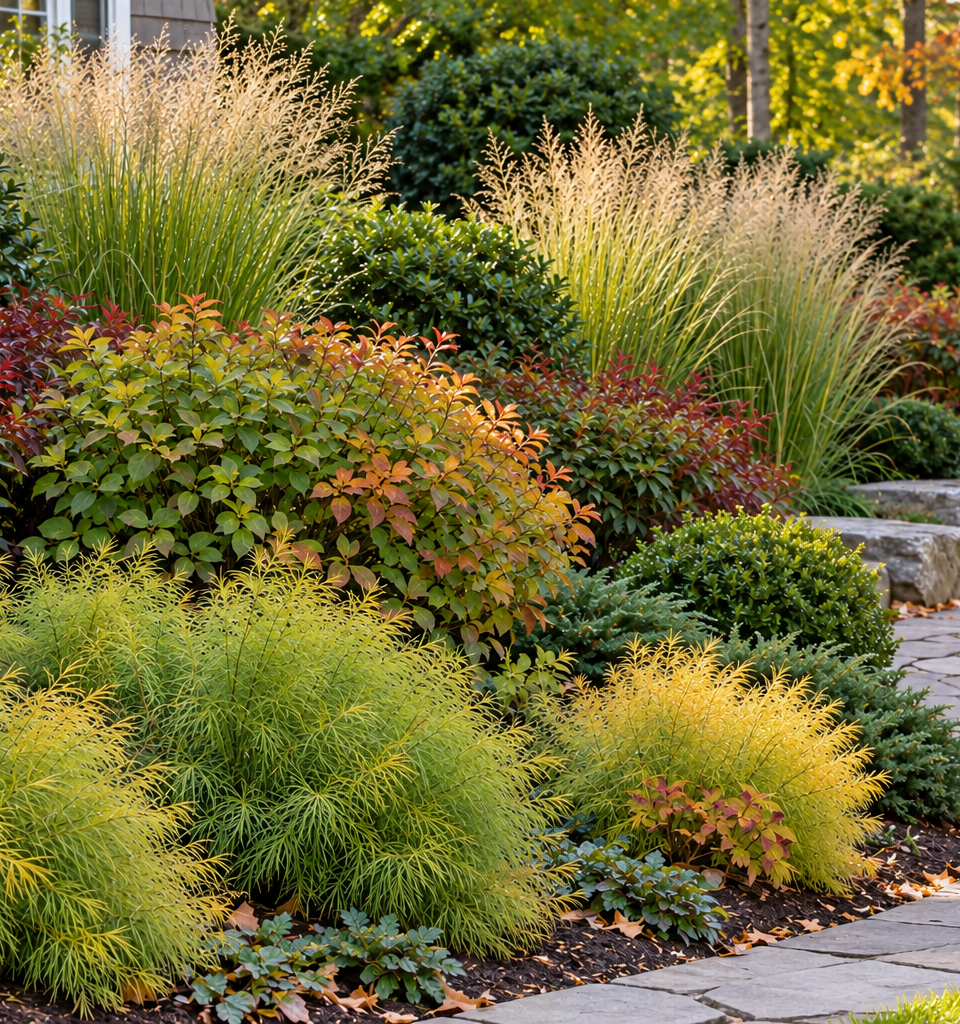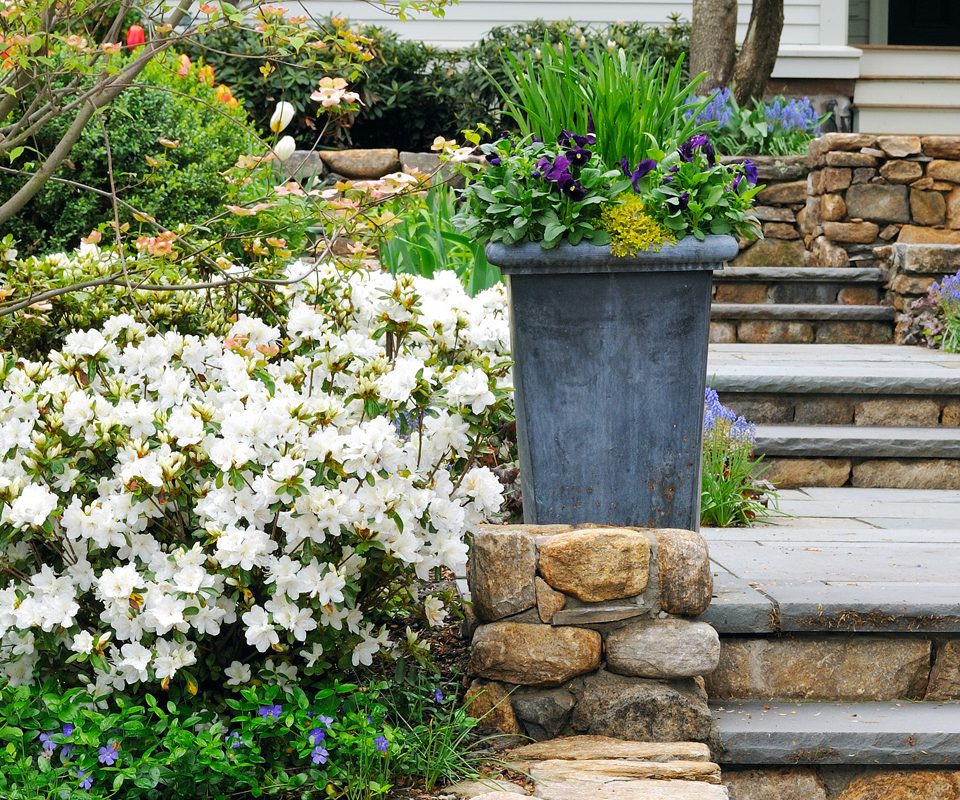
Winter garden care is mostly about protecting what is already there. Focus on roots, moisture, wind exposure, and wildlife damage instead of trying to make every bed look freshly cleaned. A few well-timed tasks can prevent stress now and make spring work easier.
The right task depends on the plant and the weather. A warm thaw is not the same as spring, and a dormant shrub is not automatically ready for pruning. When in doubt, observe first and make a small, reversible change rather than cutting everything back.
Water evergreens during appropriate thaws
Evergreens can lose moisture from their leaves or needles on sunny, windy winter days even when their roots cannot pull much water from frozen ground. If the soil is thawed and dry, a deep watering around the root zone can be helpful. Avoid watering when the ground is saturated or frozen solid, and keep hoses and paths safe in freezing conditions.
Protect roots without burying stems
Mulch helps moderate swings in soil temperature and moisture. Add it over the root zone, not against trunks, crowns, or woody stems. A light, even layer is more useful than a thick mound that traps moisture and invites damage. If rodents are a problem, keep mulch and leaf piles away from the base of vulnerable young trees.
Use wind and wildlife protection thoughtfully
Broadleaf evergreens and newly planted shrubs can be stressed by winter wind and reflected sun. In exposed locations, a breathable burlap screen placed on the windward side may reduce drying without wrapping foliage tightly. Where deer, rabbits, or voles are common, use guards or fencing sized for the animal and check them after storms.
Prune by plant type, not by the calendar
Winter can be a good time to remove clearly dead, broken, or diseased branches from many woody plants. It is not a universal pruning season. Spring-flowering shrubs often carry next season’s flowers on old wood, and some hydrangeas, fruiting shrubs, and trees have specific timing needs. Before pruning for shape, identify the plant and check a trusted local guide.
Leave some habitat in place
Standing stems, seed heads, and leaf litter can provide shelter and food in winter. You can keep paths and key viewing areas tidy while leaving less-visible parts of the bed more natural. This approach also helps prevent an early-season cleanup from removing emerging plants or exposing soil too soon.
Inspect after storms, then plan ahead
Heavy snow can bend branches, but it is often better to let snow melt naturally than to knock it off aggressively. Check for split limbs, damaged guards, blocked drainage, and branches that create a safety concern. Photograph areas that need attention; those photos will be useful when you plan replacements or additions later.
Prioritize young and newly planted material
A plant installed during the past year deserves the closest attention. Check that its root zone is protected, its stake or guard is not rubbing the trunk, and its label has not been left tied to a branch. Small corrections are easier now than repairing a poorly established plant after a difficult winter.
For plants chosen to look good when the garden is quiet, see winter-interest trees and shrubs. When you are ready to turn your notes into a spring planting idea, start with  Dirt AI.
share this article