In 2026, the United States marked 250 years since the signing of the Declaration of Independence. A meaningful Fourth of July garden does not need disposable décor or a perfect photo moment. It needs a comfortable place for people to gather, plants that fit the site, and a layout that remains useful after the holiday is over.
Whether you hosted a crowd this year or simply noticed what your yard needs for the next summer get-together, use the moment as a reason to make the space more welcoming. A few lasting choices can improve shade, circulation, color, and the everyday enjoyment of a garden.
Why 2026 is a milestone
July 4, 2026 marked the 250th anniversary of the signing of the Declaration of Independence. The national commemoration, often called America250, invited communities to reflect on the country's history and look ahead. For background on the official initiative, visit America250.
A garden is a natural setting for that reflection because it changes slowly and is made for more than one day. It can be a place for family stories, a quiet morning coffee, a neighborhood meal, or simply a view that makes home feel more settled. The best way to honor a milestone is to make a space that is generous to the people who will use it next.
Take inspiration from real American garden history
Historic gardens are most useful when they teach us how landscapes were planned, not when they become a costume. George Washington's Mount Vernon is one accurate example: the estate includes four gardens, each with a different purpose, along with a working landscape and farm. Its garden history shows the value of paths, useful growing spaces, views, and structure. You can explore the site through Mount Vernon's garden resources.
Use that as an idea rather than a template. A small modern yard does not need formal boxwood hedges to feel intentional. It may need a defined path, a small shaded seat, a screen from a driveway, or a border that gives the patio a sense of enclosure.
Begin with guest comfort, not decoration
Before choosing a patriotic color palette, consider how people move through the space. Is there enough shade in the hottest part of the afternoon? Can guests reach seating without stepping through a planting bed? Is there a clear place for food, drinks, children, or a pet to rest? Are steps, cords, and uneven pavers easy to see as the light fades?
These practical choices make a gathering feel easy. A small table under an existing tree may be more valuable than a larger patio in direct sun. A narrow path widened by a few inches can improve access more than a new container display. If the garden is still developing, set up a temporary seating area this season and use the experience to decide where a permanent planting or shade element belongs.
Use color that still belongs in the garden after July
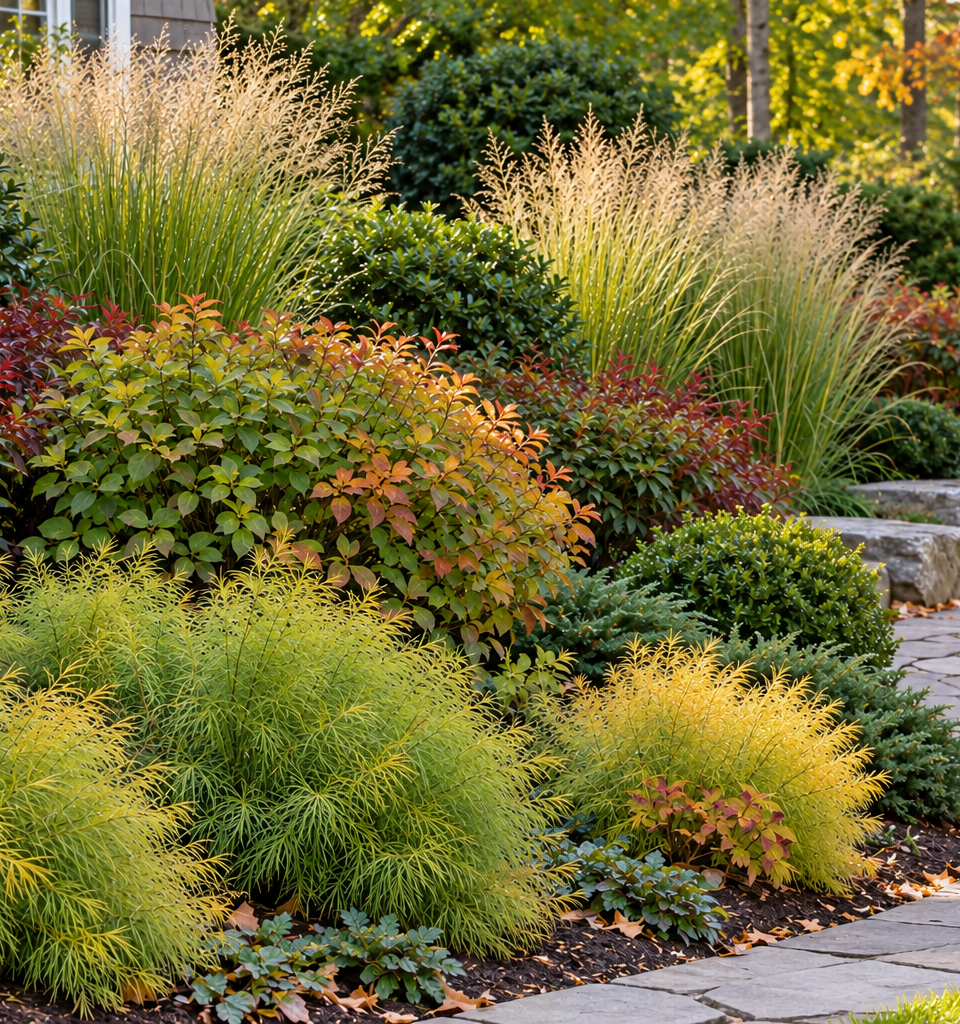
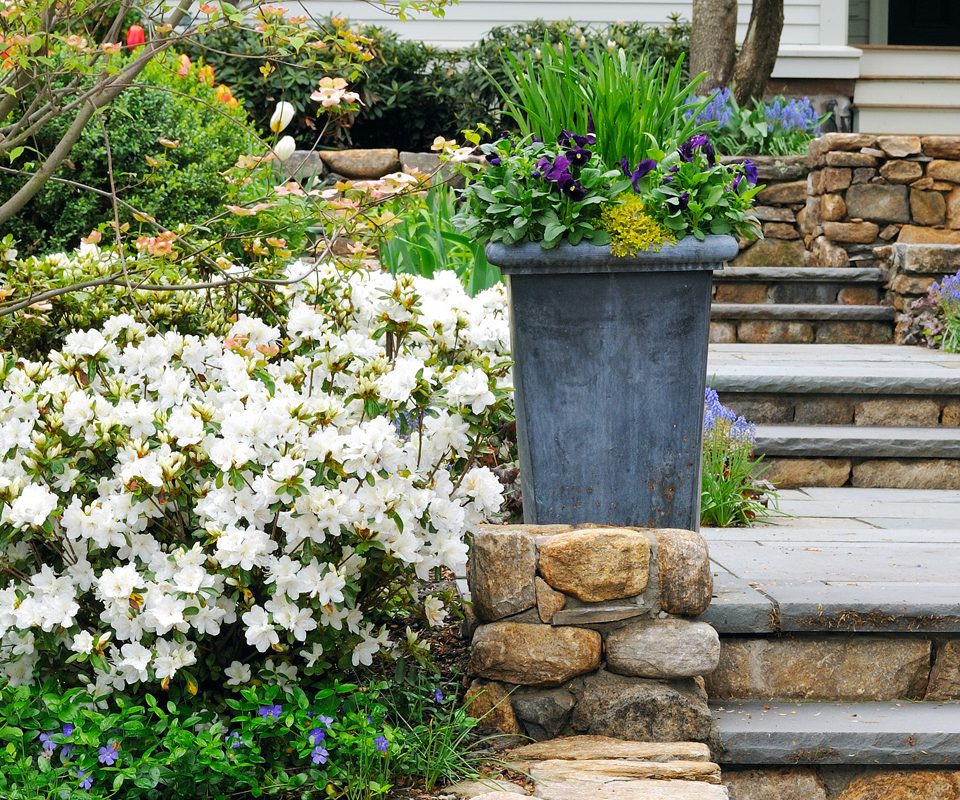
Red, white, and blue can be a graceful summer palette when it is built from plants that suit the bed. Rather than buying one-day décor, look for a combination of flower color, foliage texture, and containers that will work through August. A sunny bed might use red blooms with white flowers and blue or blue-violet accents. A shaded area may depend more on foliage, pale flowers, and blue-toned containers.
Choose for mature size and bloom timing before color. Repeat a few plants instead of scattering many single specimens. If the bed will be seen from a patio, place taller plants where they will not block the view or make a seating area feel cramped. A planned palette is easier to maintain and looks calmer than a hurried collection of themed purchases.
Keep outdoor celebrations safe for people, pets, and plants
Follow local rules for grills, fire pits, and fireworks, and keep all flames, hot equipment, and ash away from dry mulch, containers, low branches, and temporary fabric decorations. Make sure paths are lit enough for people to see changes in level. Keep water available for plants and for ordinary cleanup, and give pets a quiet indoor or sheltered option if they are stressed by noise.
After a gathering, walk the garden the next morning. Pick up debris, check containers for dry soil, and look for trampled edges or plants that need support. This brief reset protects the space and helps you learn what needs to change before the next event.
Turn a one-day celebration into a lasting garden plan
Take a full photo of the yard while it is set up, then another after everything is put away. Note where people naturally gathered, where shade fell, what views you wanted to soften, and which corners were not used. Those observations are more useful than guessing from an empty yard in winter.
Measure the available bed or patio edge, record sunlight and drainage, and decide on one lasting improvement. It could be a mixed border that frames seating, a privacy screen, a small pollinator bed, or a planting that gives the garden color at the right time of year. The goal is not to recreate a historic landscape. It is to make your own outdoor space more useful for the next 250 gatherings.
A quick garden checklist for the next Fourth of July
- Choose seating and shade before decorative accents.
- Keep paths, steps, and access points clear.
- Use plants and containers that will still look good after the holiday.
- Follow local safety rules for any flame, grill, or fireworks activity.
- Photograph the space and write down what worked while the experience is fresh.
When you are ready to turn those notes into a lasting design, take a photo and measurements into  Dirt AI. For more help planning the space itself, start with how to measure a garden bed with your phone.
share this article