The best privacy hedge is not always the fastest-growing plant at the garden center. A successful screen has to fit its mature width and height, provide the amount of winter coverage you need, tolerate the site, and leave enough room for maintenance. Start with the purpose of the screen, then choose plants.
Before buying anything, stand at the place where privacy matters most. Is the goal to soften a view from a patio, separate a driveway, block a second-story window, or create a backdrop for a flower border? The answer changes the height, density, and spacing that make sense.
Plan for mature size and access
Measure the full length of the planting area and the distance to fences, sidewalks, utility lines, and windows. A hedge planted too close to a fence may become difficult to prune on the back side. A row planted for instant density can crowd itself, lose lower foliage, and invite disease later.
Use the mature width, not the pot size, to set spacing. A mixed screen often needs less shearing and looks more natural than a single clipped wall. It can also reduce the risk that one pest or disease problem affects the whole border at once.
Choose evergreen structure when winter privacy matters
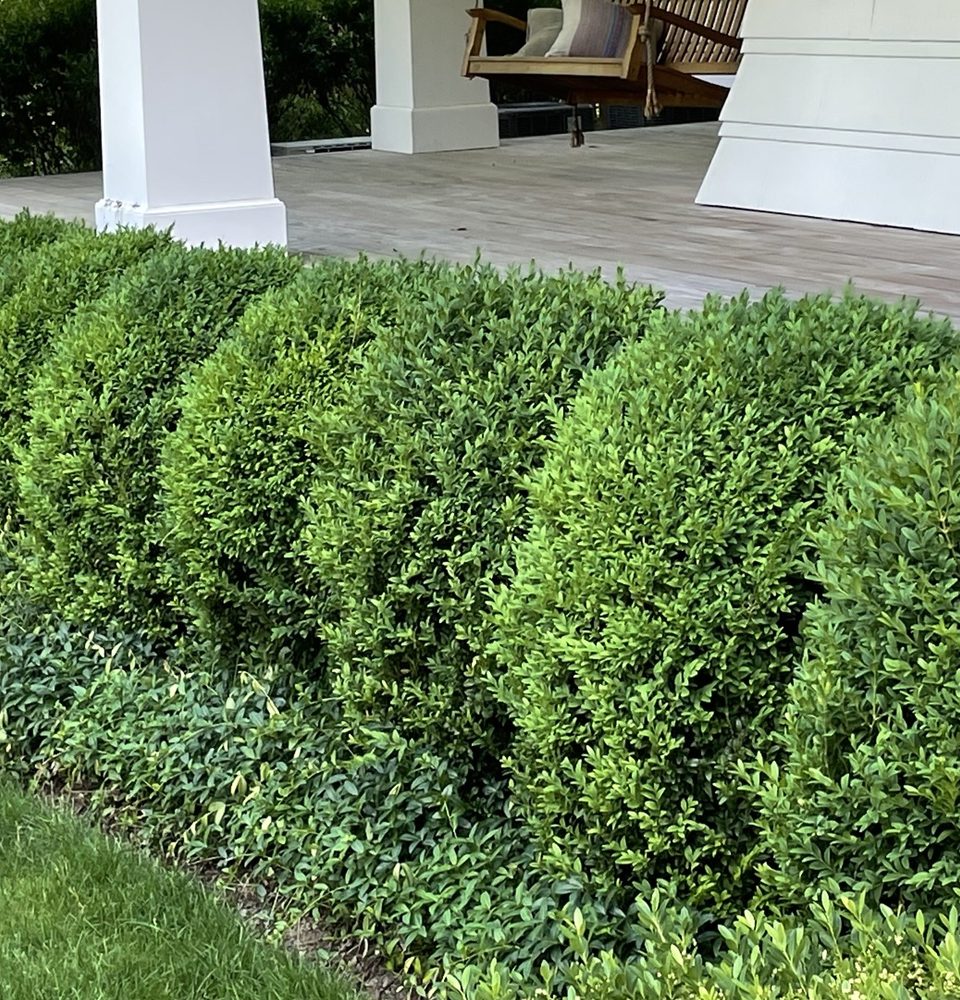
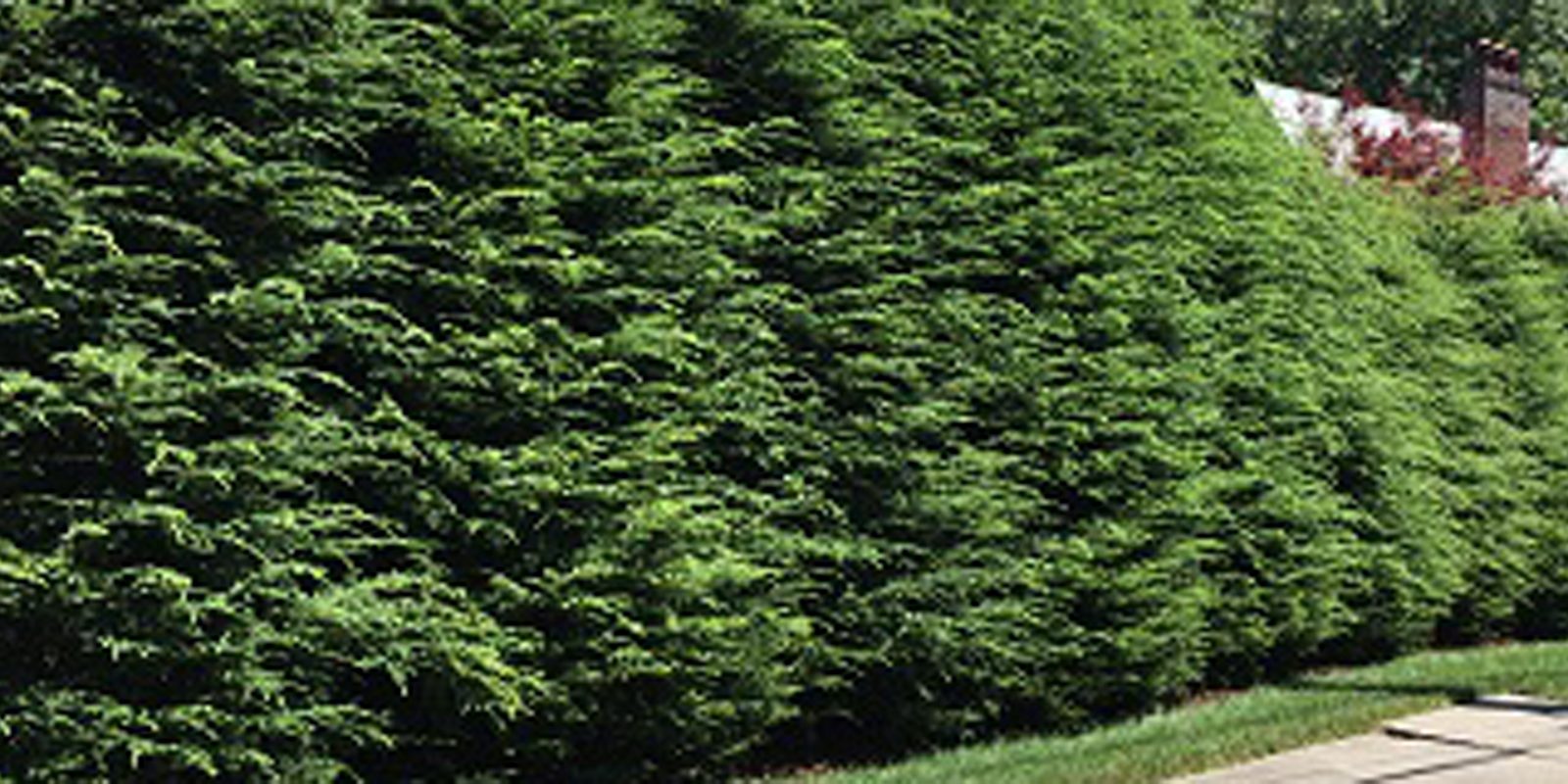
Evergreens provide the most consistent screening, but they still have different needs. Arborvitae can make a clean vertical screen where deer browsing is manageable and drainage is adequate. Eastern red cedar and some junipers may suit dry, sunny sites. Broadleaf evergreens such as inkberry can work at a lower scale in suitable acidic soil.
Do not select an evergreen only because it is labeled fast-growing. Consider wind exposure, snow load, irrigation during establishment, and whether the plant can recover if it is browsed or shaded. Ask a local nursery about cultivar performance in your area.
Use mixed layers for a softer, more resilient screen
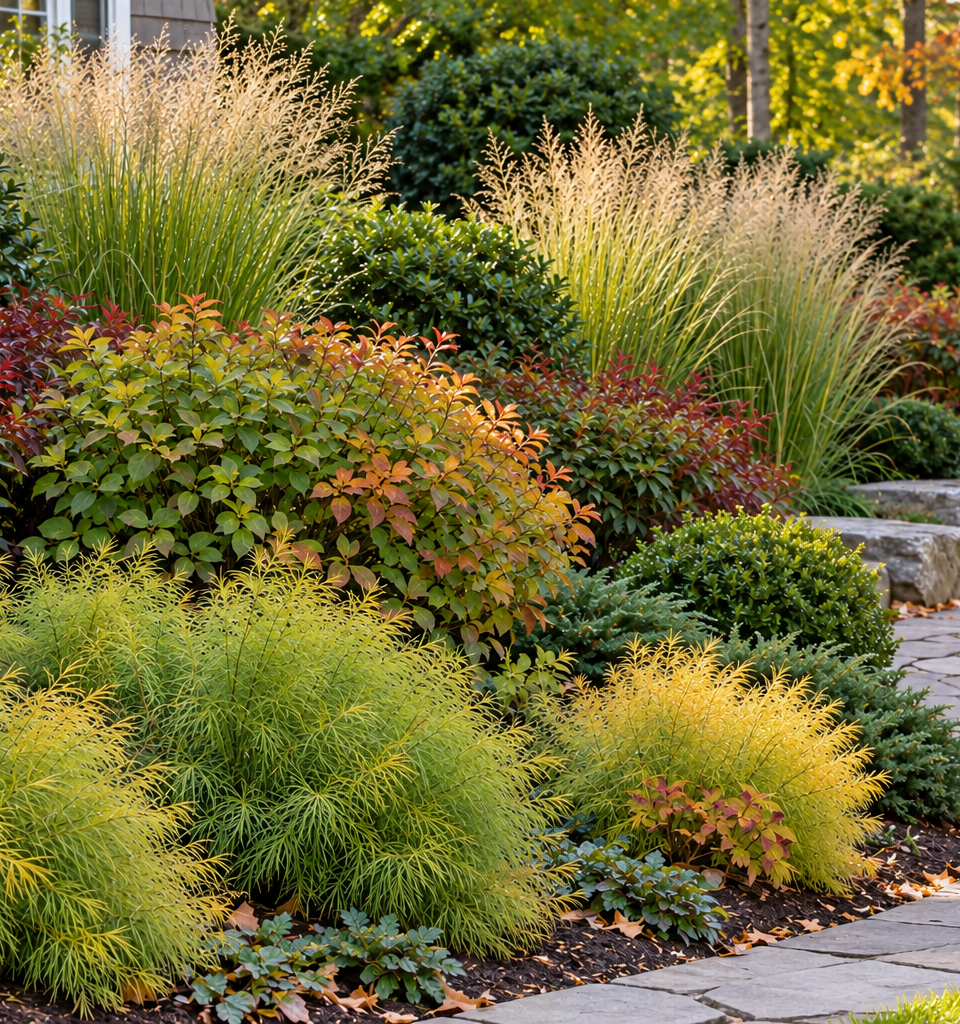
A privacy border can combine an evergreen backbone with flowering shrubs, native grasses, and small trees. This approach gives you depth rather than a flat green wall. It can support seasonal interest, give birds more cover, and allow the view to be screened at several heights.
For example, a taller evergreen or small tree can handle the upper sightline while lower shrubs fill the middle and perennials soften the front edge. The exact mix depends on your zone, soil, light, and maintenance tolerance.
Check invasive and disease concerns before planting
Plant recommendations change by state. Some familiar hedge plants are invasive or troublesome in parts of the Northeast, and some popular species have significant local pest or disease pressure. Confirm a plant with your state invasive-plant guidance and a trusted local horticulture source before adding it to a large screen.
Give a new hedge a good first two years
Water deeply during dry periods while roots establish, mulch without piling material against stems, and prune lightly only when it supports the desired form. Do not expect a hedge to reach mature privacy in one season. The best result is a screen that fills in steadily and remains manageable years from now.
Bring the dimensions, sun pattern, and sightlines from your yard into  Dirt AI, or start with a simple bed-measurement checklist. A privacy plan is easier to get right when the space is measured before the plants are chosen.
share this article