Quick answer: Hosta ‘Elegans’ is a large, blue-green hosta that brings bold, puckered foliage to a shady border. Give it dappled shade, evenly moist but well-drained soil, and enough room for a mature clump, then manage slugs, deer, and sun scorch before they spoil the leaves.
Why Hosta ‘Elegans’ earns a place in shade
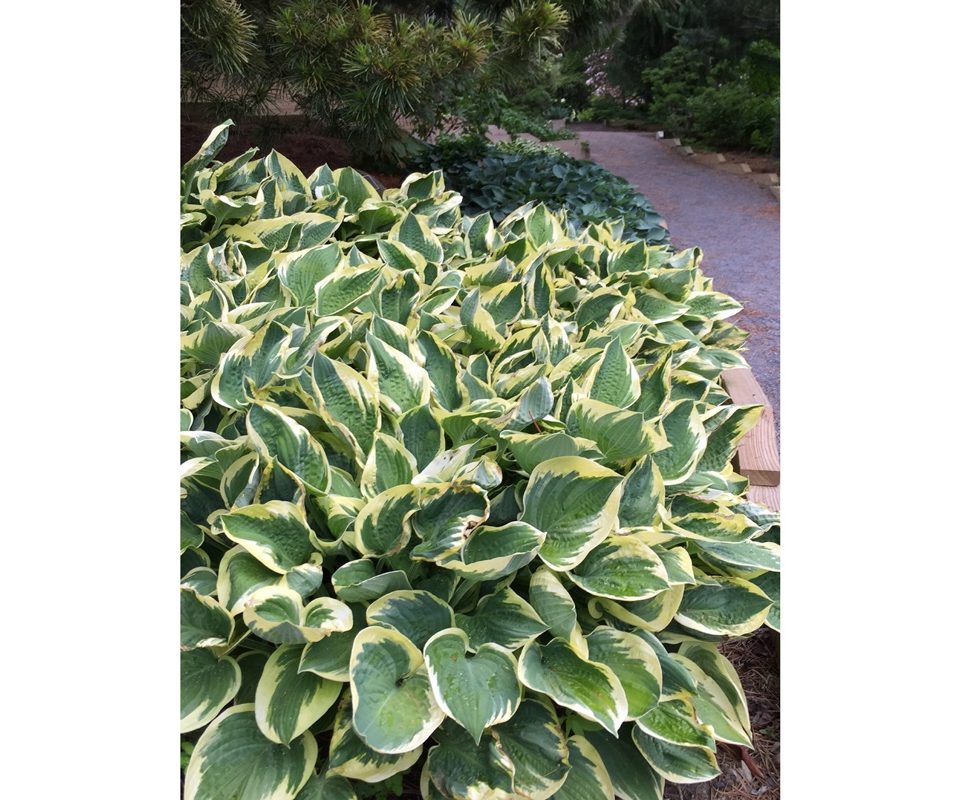
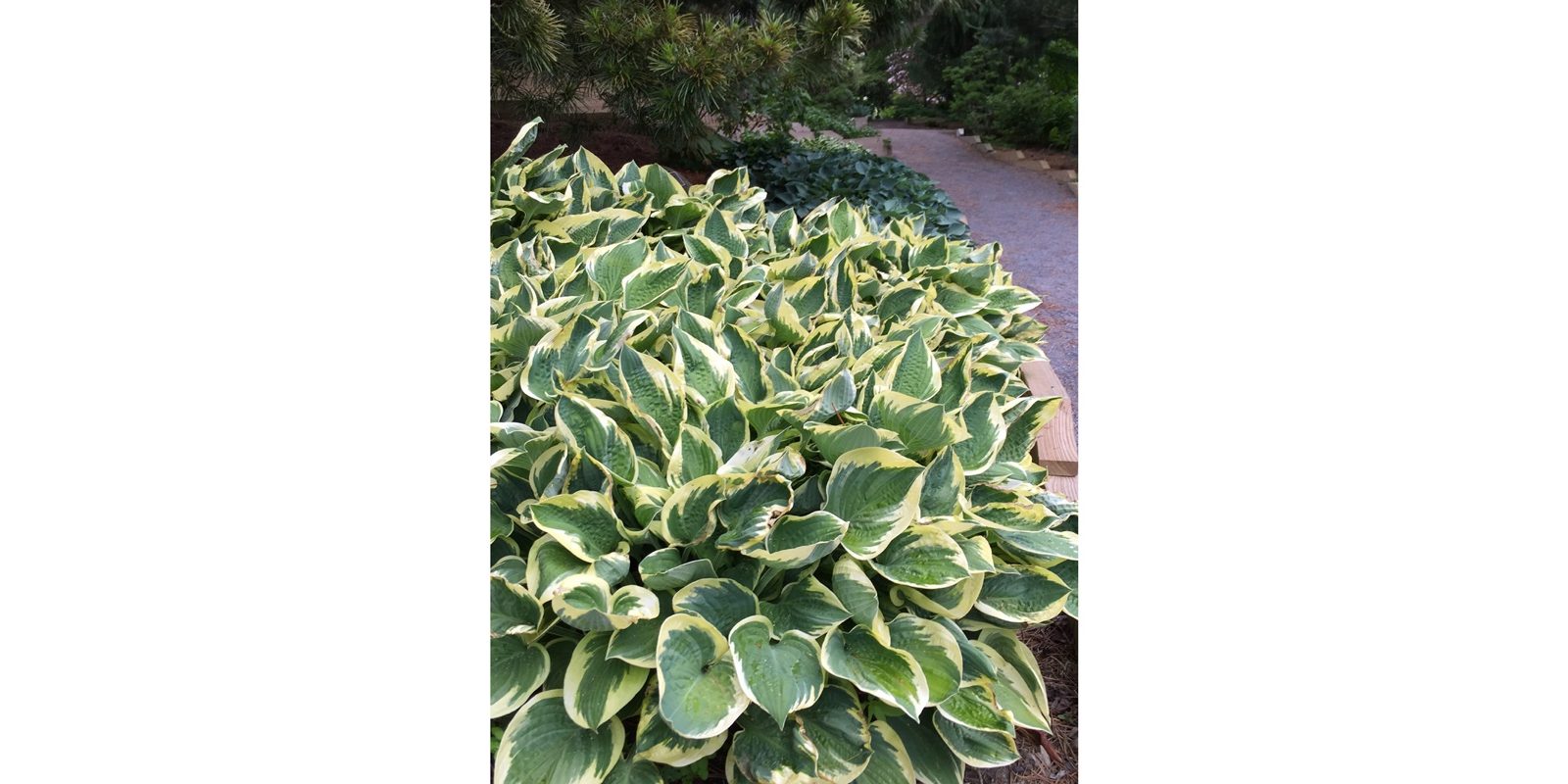
Hosta ‘Elegans’ is valued less for a short bloom period than for its broad, textured leaves. The blue-green color and deeply puckered surface give a shaded bed visual weight from spring through fall. Mature plants are much larger than the small containers sold at a garden center, so treat them as a substantial middle or back layer rather than a tiny edging plant.
Blue hostas show their color best when they are protected from harsh sun. Too much direct afternoon light can fade the blue cast, scorch leaf edges, and make the plant look tired long before the season is over.
Find the right balance of shade and moisture
Filtered shade, morning sun, or a lightly shaded north- or east-facing bed can work well. Deep shade is survivable, but plants may grow slowly and produce fewer flowers. The soil should stay evenly moist without becoming waterlogged. Hostas struggle in dry shade beneath shallow-rooted trees, where they compete for the same moisture.
- Plant with the crown level with the surrounding soil.
- Water deeply after planting and during dry spells while roots establish.
- Use two to three inches of mulch to slow moisture loss, keeping it back from the crown.
- Space plants for the size listed on the tag so leaves are not forced together.
Compost can improve soil structure, but it is not a substitute for addressing a site that is chronically dry or flooded. A clear view of the conditions will make every plant choice easier.
Protect leaves from slugs, deer, and scorch
Hosta leaves are easy to damage, so check them regularly. Ragged holes and slime trails often indicate slugs; large sections missing overnight may point to deer or rabbits. Start with practical steps such as removing hiding places for slugs, keeping mulch from touching crowns, and using physical exclusion where browsing is persistent. Hungry deer may eat plants that are considered less preferred, so do not rely on a plant list alone.
Brown leaf tips or bleached patches often signal too much sun, dry soil, or both. Move a young plant if the location is clearly wrong rather than trying to correct it with more fertilizer.
Make a shaded border feel layered
Use ‘Elegans’ to anchor a group of smaller foliage plants, spring bulbs, and late-season flowers. Its large leaves can hide fading bulb foliage and give a small shady bed a finished look. Repeat the same hosta in two or three places if the garden is large enough; repeated texture makes shade look designed rather than accidental.
Good shade gardens begin with soil and moisture. Read how to improve garden soil before adding more plants to a difficult bed.
Plan around the mature plant
Hostas are forgiving, but a crowded plant will need more dividing and more attention. Take a photo of the bed when trees are fully leafed out, note the shaded hours, and identify the plants you want to retain. If pets are likely to chew ornamentals, check a trusted veterinary resource for the exact hosta before planting.  Dirt AI can help you fit hostas and companion plants into the space before you buy.
share this article