Quick answer: Begonias are one of the easiest ways to add long-lasting color to a shaded bed, porch, or container. The key is choosing the right kind for the light you have, planting in rich but free-draining soil, and keeping the root zone evenly moist rather than constantly wet.
Choose a begonia for the space you actually have
“Begonia” covers a large group of plants, so start with the place you want to fill rather than a flower color alone. Wax begonias are dependable bedding and container plants with compact foliage and steady blooms. Tuberous begonias make a bigger, more dramatic display in bright shade and sheltered containers. Rex begonias are usually grown for patterned leaves and suit protected, shady spots. Read the plant label for mature height, light needs, and whether it is intended for a garden bed, hanging basket, or indoor container.
In most gardens, begonias perform best with bright shade or morning sun followed by afternoon shade. A site that is dark all day can reduce flowering, while hot afternoon sun can scorch leaves and dry containers too quickly. If you are unsure where the light falls, take a few photos of the bed at morning, midday, and late afternoon before buying plants.
Give begonias the right start
Plant after the danger of frost has passed and the soil has begun to warm. Work compost into a compacted or tired bed so roots can spread, but do not create a water-holding pocket beneath the plant. In a pot, use a container with drainage holes and a quality potting mix rather than garden soil.
- Space plants for their mature width so air can move between leaves.
- Water deeply when the top layer of soil begins to dry; frequent shallow splashes encourage weak roots.
- Water the soil rather than soaking foliage whenever practical.
- Use a light layer of mulch in beds to slow moisture loss, keeping mulch away from stems.
Newly planted begonias need regular attention. Once they are rooted in, the goal is consistency: neither drought-stressed nor sitting in soggy soil. Container-grown begonias will usually need water more often than those in a bed, especially during a hot, windy week.
Use begonias to make shade feel intentional
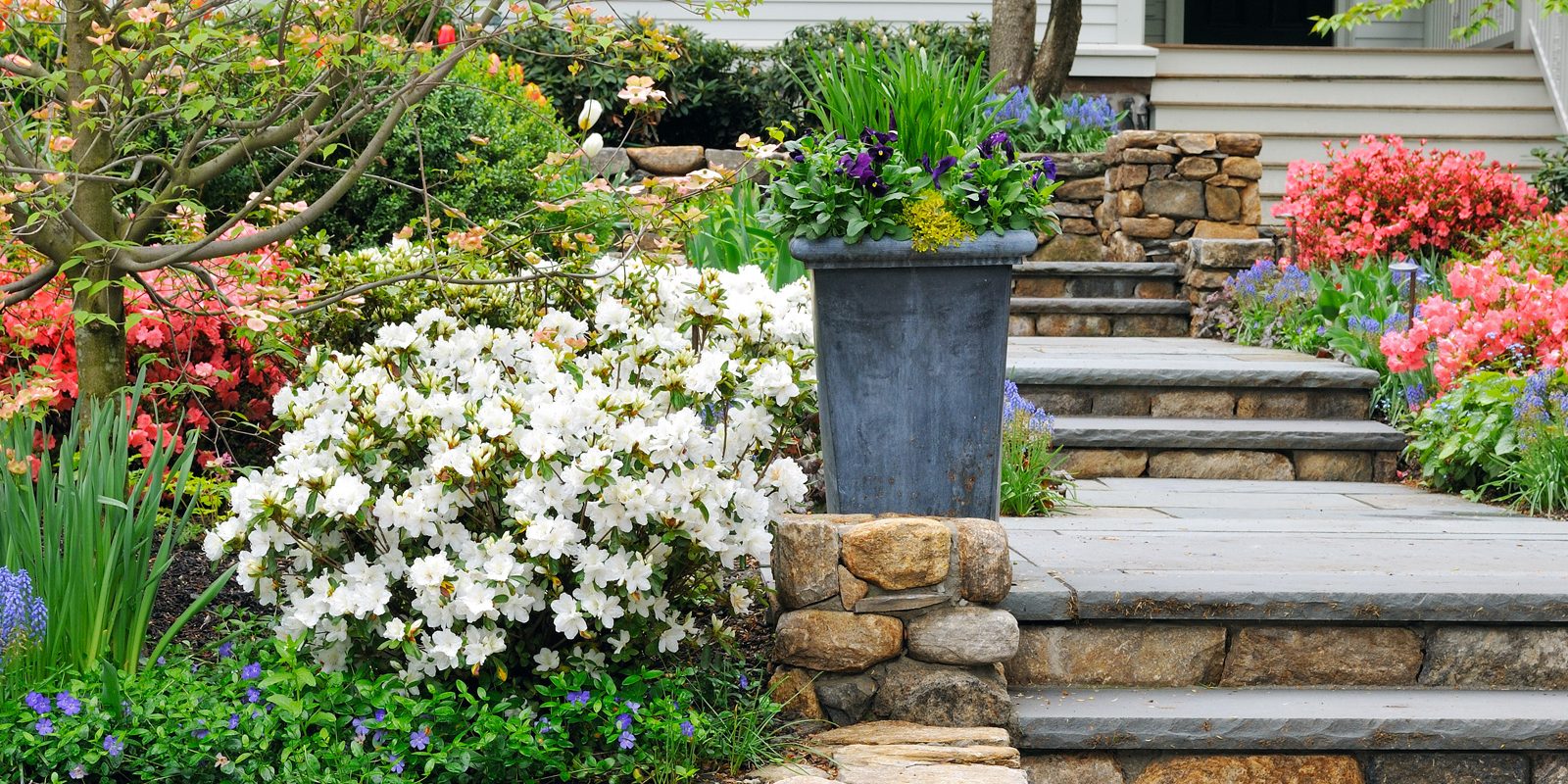
Begonias are most effective when they repeat through a space. Line a shady path with one variety, tuck them beneath shrubs where the soil remains open, or use a group of three to five containers around an entry. Their rounded leaves and flowers also balance fine-textured plants such as ferns, grasses chosen for shade, or trailing foliage. A restrained palette often looks more polished than a mix of every color: try white with deep green foliage, or a repeat of pink blooms from the front door to the patio.
For more color-planning ideas, see how to use color for curb appeal. If the bed is bare or compacted, begin with improving garden soil before expecting a full display.
Fix common begonia problems early
Yellowing leaves can come from several causes, including overwatering, poor drainage, or a plant that has outgrown a very small container. Crispy edges usually point to too much sun, heat, or inconsistent moisture. Sparse flowering often means the plant needs brighter light, not necessarily more fertilizer. Remove faded flowers and damaged leaves regularly so the planting stays tidy and you can notice problems before they spread.
Check the exact variety before overwintering it. Some begonias are treated as seasonal annuals in cold climates, while tuberous or houseplant types may be carried through winter with the right conditions. If pets are likely to chew plants, check a trusted veterinary resource for the exact begonia before bringing it home.
Turn a good corner into a complete planting plan
A successful begonia planting begins with the size and light of the bed, then adds plants in layers rather than one at a time. Measure the area, note the shade pattern, and build a palette that works from spring through fall. Try  Dirt AI to turn a garden photo and rough measurements into a planting plan you can take to the garden center.
share this article