Most palms are tropical or subtropical plants and will not survive a Northeast winter outdoors. That does not mean you cannot enjoy them. The practical choices are to grow a palm as a seasonal container plant, keep it indoors year-round in suitable light, or work with a local specialist before attempting a hardy palm in a protected microclimate.
Know the difference between tropical and hardy palms
Garden centers use “palm” for many different plants with very different cold tolerance. A tropical patio palm that looks perfect in July may be damaged by the first cool autumn night. A so-called hardy palm may survive only in a narrow range of sheltered sites and still need winter protection. Read the botanical name, not just the common name, and check the plant's published hardiness range.
Use containers for the most flexible approach
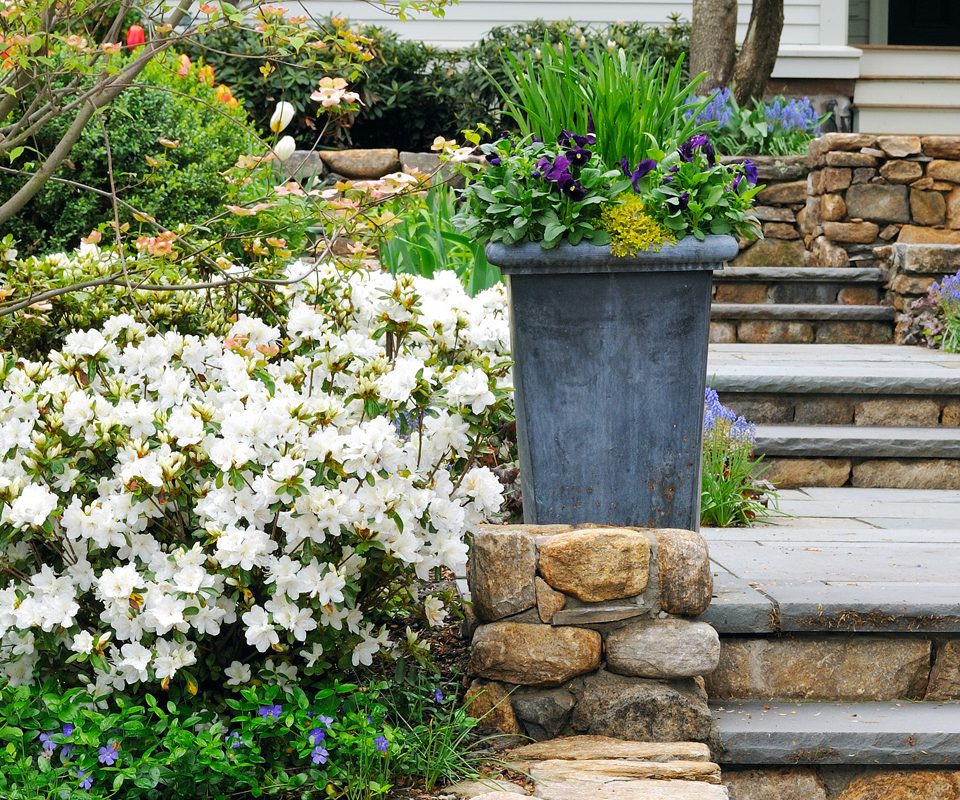
For many Northeast gardeners, a container is the most reliable way to get a tropical look. Choose a pot with drainage, a stable base, and enough volume for roots. Place the palm where it receives the light its species needs, water thoroughly when the mix begins to dry, and avoid leaving the pot in a saucer of water.
Move the plant indoors before cold weather becomes a risk. Acclimate it gradually if the indoor light is much lower than the outdoor location. A bright room, careful watering, and attention to pests are more useful than trying to force rapid growth over winter.
Do not mistake a warm wall for a guaranteed climate
A south-facing wall or protected courtyard may be warmer than the surrounding yard, but it can also create drying winter wind, reflected heat, and sharp temperature swings. Before attempting an outdoor palm, study the site through a full year and talk with a local nursery that has experience with the exact species. A hardiness-zone label is only the beginning; see how to use the USDA zone map for its limits.
Build a tropical feeling without relying on one fragile plant
Large-leaved annuals, textured grasses, bold containers, and deep green foliage can create a relaxed, tropical mood while fitting a Northeast garden more easily. Use several layers rather than depending on a single palm to carry the entire look. That way, the garden still feels intentional when the container plants move indoors for winter.
Plan for the indoor season before buying
Measure the doorway, identify the brightest available indoor location, and decide where the pot will sit before the first frost. Large container plants become difficult to move when the weather changes quickly. If you cannot provide enough light or a safe place to overwinter the plant, treat it as a seasonal accent and choose a less demanding permanent garden feature for the bed.
Check the pot's weight when it is fully watered as well. A beautiful container is only practical if the people caring for it can move it safely.
Take a photo of the patio or bed, note sun exposure and winter shelter, and use  Dirt AI to explore a summer garden that looks lush while still fitting your climate and maintenance routine.
share this article