Quick answer: Ornamental alliums are fall-planted bulbs that create bold globe-shaped flowers in late spring and early summer. Give them full sun, good drainage, and companion plants that will hide fading foliage after bloom.
Choose alliums by height, bloom time, and scale
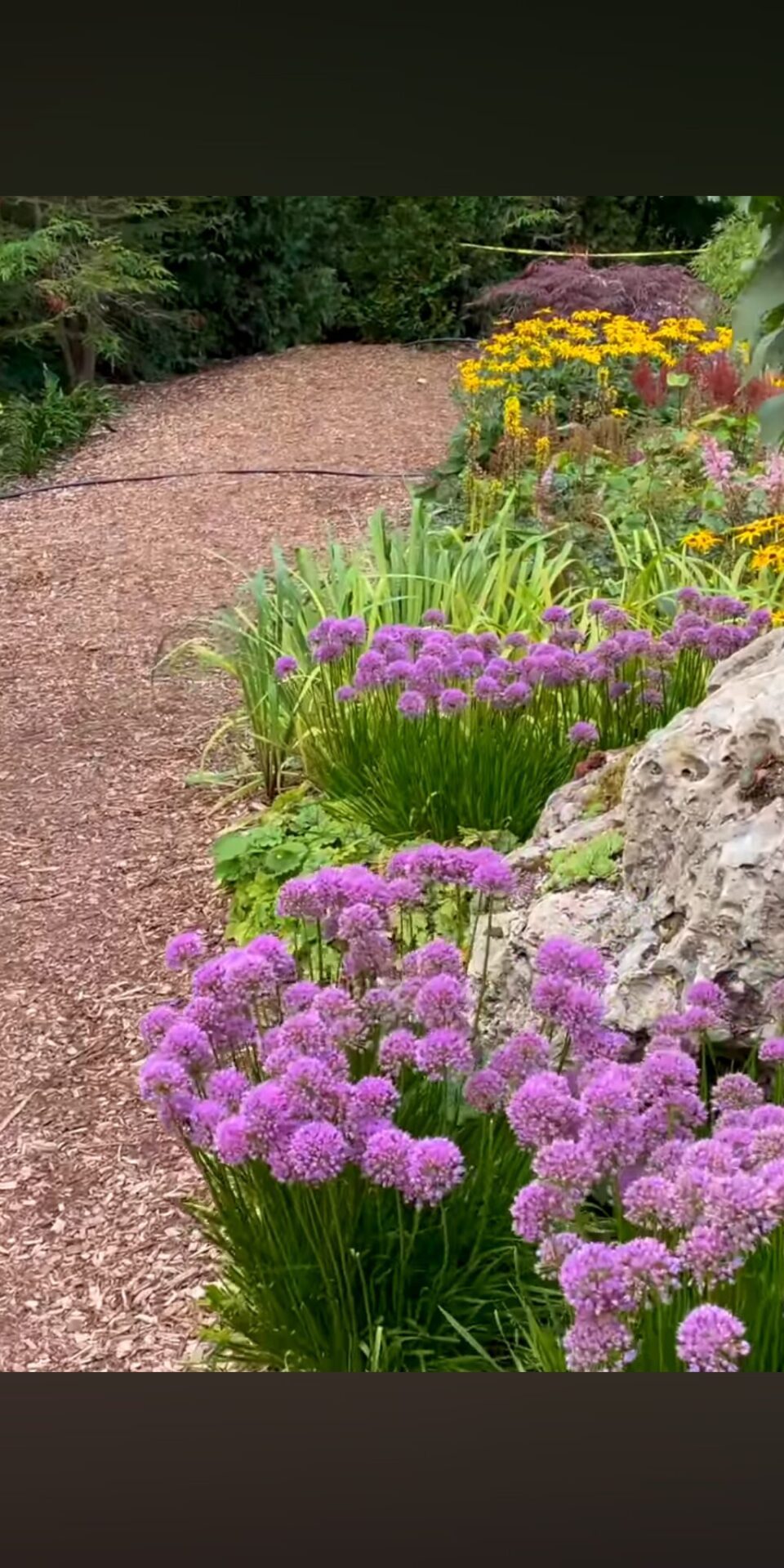
Ornamental alliums range from short border plants to tall stems topped with large purple globes. The best one for a garden is not always the largest. Use compact selections near paths and in small beds, and save tall varieties for the middle or back of a border where they can rise above lower foliage without blocking a view.
Read the label for bloom time and mature height. A mixture of early, midseason, and later varieties creates a longer display, but a single repeated allium can look stronger than many one-off plants. Choose bulbs that are firm and free of soft spots before planting.
Plant bulbs in fall for spring flowers
Hardy ornamental alliums need a cool dormant period to develop well, so they are normally planted in fall. Choose a spot with six or more hours of direct sun and soil that does not hold water after rain. A wet bulb is more likely to rot than a bulb planted in ordinary, well-drained garden soil.
- Plant at the depth and spacing shown on the bulb package; large and small alliums need different spacing.
- Place bulbs with the pointed end up and the root end down.
- Water after planting to settle soil around the bulbs, then let normal fall weather do the rest.
- Mark the area so spring digging does not disturb emerging plants.
If the bed is compacted or puddles frequently, improve the soil before planting. Our soil-health guide can help you start with drainage and structure instead of adding bulbs to a problem spot.
Let the foliage recharge the bulbs
After flowers fade, the leaves can look tired before the rest of the garden fills in. Resist the urge to cut foliage off immediately. Green leaves are still making energy for the next season’s growth. Remove spent flower heads if you prefer a cleaner look, but let foliage yellow naturally before trimming it away.
Planning companions solves the fading-foliage problem beautifully. Let later-emerging perennials such as catmint, daylilies, grasses suited to the site, or other mounded plants grow around the alliums. Their leaves will soften the base of the stems without covering the flowers during the main display.
Build a spring border with real staying power
Alliums are especially effective when they repeat through a bed. Place groups of three, five, or more bulbs at intervals, then repeat their color in another flowering plant or container. Purple alliums can make yellow and white flowers feel brighter; white alliums can bring a calm note to a mixed border. Keep the palette simple enough that the tall flower heads read as an intentional pattern.
See our spring garden prep checklist for what to do as bulbs emerge, and explore garden color design for ways to connect a spring border to the rest of the landscape.
Use a practical bulb plan
Choose bulbs for a garden, not just a package. Measure the bed, note the sun, and decide what will cover the foliage later in the season. Keep bulbs and plant pieces out of reach of pets, and check trusted veterinary guidance for the exact plant if that is a household concern.  Dirt AI can help turn your bed dimensions into a planting layout before fall arrives.
share this article