Quick answer: Purple coneflower is a reliable, sun-loving perennial for a garden that needs summer color and pollinator activity. Plant it in full sun with good drainage, give new plants consistent water in their first season, and choose species or cultivars that suit your local conditions.
Choose coneflowers for the garden, not just the label
Coneflower usually refers to Echinacea, a group with familiar purple, pink, white, yellow, and orange selections. Purple coneflower is native to parts of eastern and central North America, while many named garden cultivars were selected for flower color, shape, or compact size. Both can be beautiful, but they may not behave the same way. If supporting local wildlife is a top priority, ask a native-plant nursery which species are appropriate for your state and site.
Look beyond the flower photo. Check mature height, width, bloom period, hardiness, and whether the plant is likely to stay compact or reseed. A healthy planting begins with the right plant in the right amount of space.
Plant in sun and soil that drains
Coneflowers need sun to stand sturdy and bloom well. Aim for six or more hours of direct light. They tolerate average soil, but a soggy site can shorten their life, especially through winter. Plant at the same depth as the nursery pot, firm the soil gently, and water deeply after planting.
- Space plants so mature foliage will not be pressed together.
- Water regularly during the first growing season, then only as conditions require.
- Use mulch sparingly around the base and keep it off the crown.
- Skip unnecessary fertilizer; rich, heavily fed soil can create floppy growth.
If your bed is dense clay or waterlogged after a storm, solve drainage before adding more perennials. Soil care is not a one-time purchase; it is the base of a resilient garden.
Care for coneflowers through the season
Deadhead individual spent flowers if you want the border to look tidy and encourage more bloom. Leave some late-season seed heads standing when you want winter texture and possible food for birds. In spring, cut old stems back before new growth becomes tangled in them. A clump that loses vigor, grows bare in the center, or is crowded by neighbors may need more space or division.
Do not assume every plant labeled “drought tolerant” needs no care. Newly planted coneflowers need water while roots establish, and even mature plants benefit from a check during extended drought.
Build a pollinator border that blooms beyond July
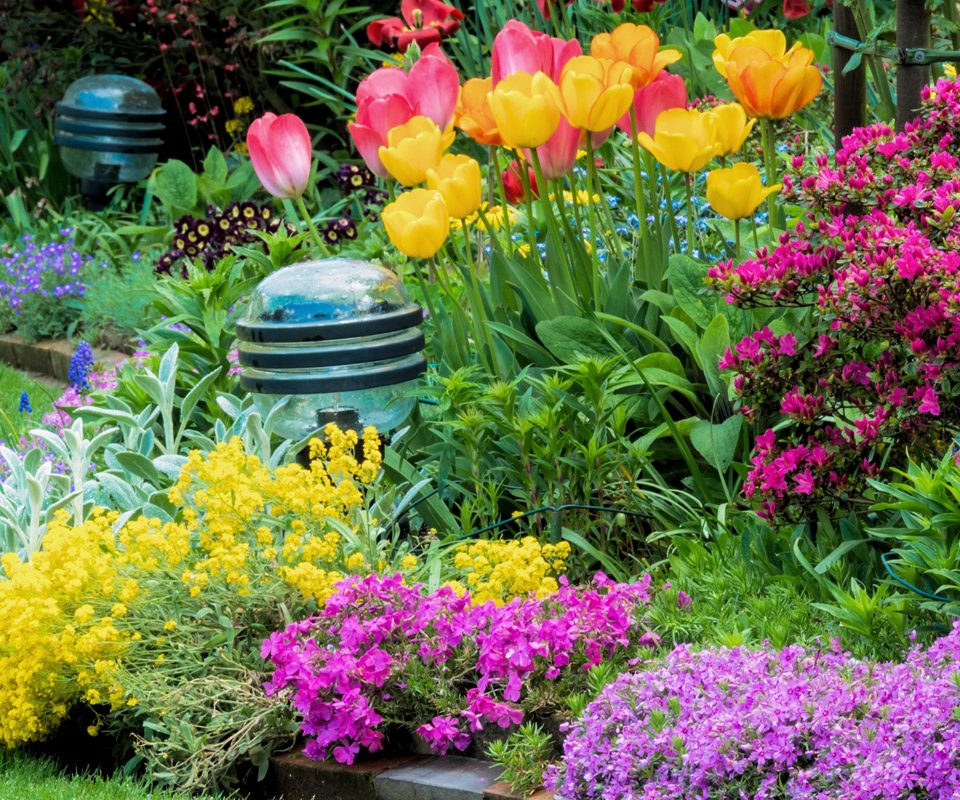
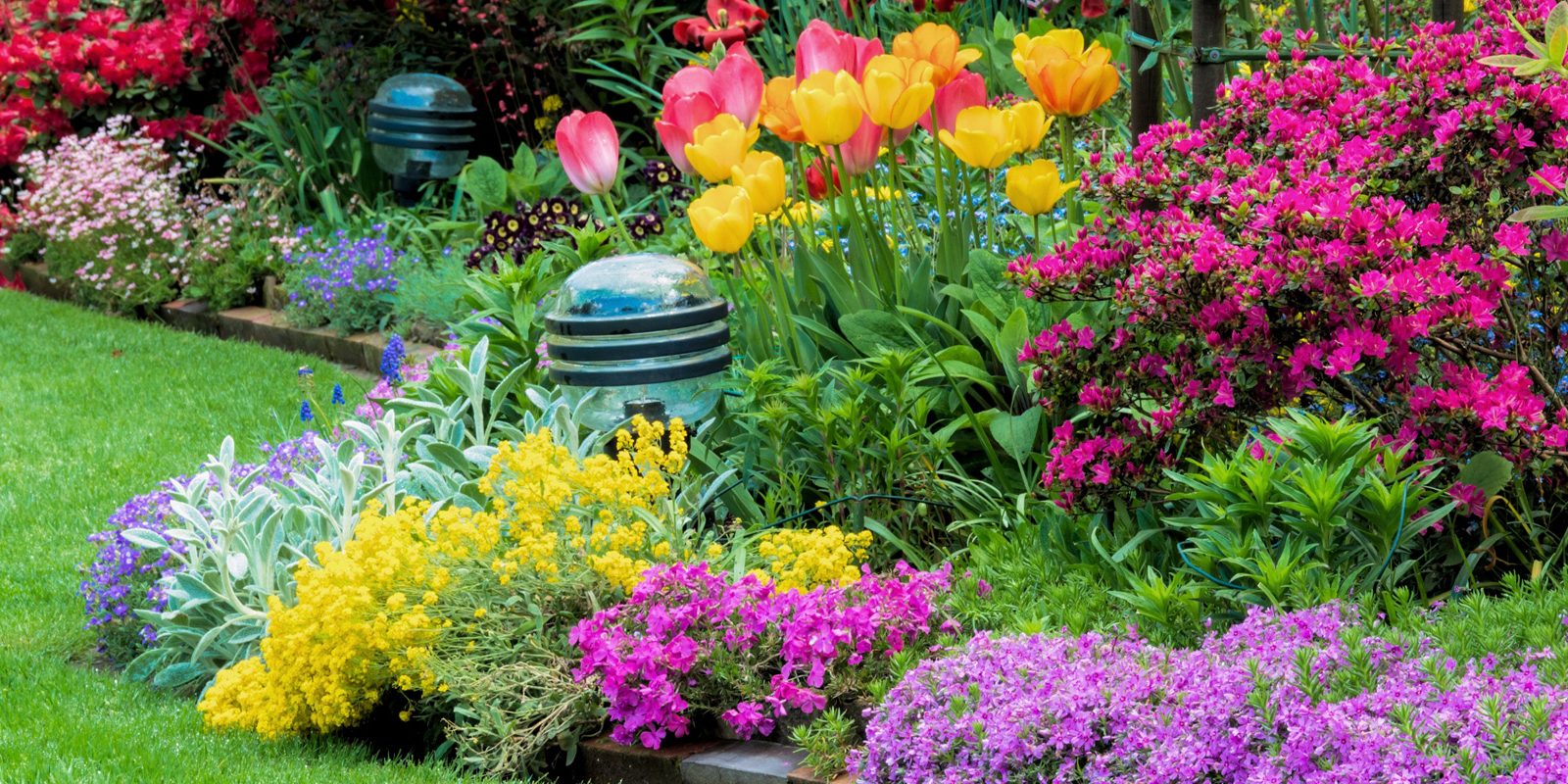
Coneflowers shine when they are part of a sequence. Combine them with spring bulbs or early perennials, then carry color into late summer with locally suitable asters, grasses, or other flowering perennials. Group several of the same plant together so the color reads clearly from a distance and pollinators can find the blooms more easily.
For more plant-selection guidance, read native plants for Northeast gardens and how to plan a pollinator-friendly garden. These guides help you think about bloom timing, site conditions, and plants that work as a community.
Keep expectations realistic
Coneflowers are garden plants, not a substitute for medical treatment. Avoid using the garden bed as a source for teas or supplements unless you have reliable, species-specific expertise. In the landscape, their value is simpler and more lasting: sturdy flower form, seasonal color, and a more active garden.
Take a photo of the bed before you plant, note the sun pattern, and use  Dirt AI to test a balanced planting plan with enough room for coneflowers to mature.
share this article