Quick answer: Hydrangeas are rewarding shrubs when the type matches the site. Give them reliable moisture, good drainage, and enough room to mature, then prune only after you know whether that hydrangea blooms on old wood, new wood, or both.
Choose the hydrangea before choosing the flower color
Hydrangeas are not all the same plant in different colors. Bigleaf hydrangeas are known for rounded blue, pink, or purple blooms, but their flower buds can be vulnerable to winter injury in colder places. Panicle hydrangeas carry cone-shaped flowers and usually handle more sun once established. Smooth hydrangeas produce rounded white or blush blooms on new growth, while oakleaf hydrangeas add distinctive foliage and fall color. Start with the plant’s mature size, cold hardiness, and light requirement, then choose a flower color and cultivar.
Soil chemistry can influence the bloom color of some bigleaf hydrangeas, but it does not turn every hydrangea blue or pink. Do not add amendments simply to chase a color before identifying the variety and testing the soil.
Plant for morning light and steady moisture
Many hydrangeas appreciate morning sun and protection from harsh afternoon heat, particularly in warmer locations. Panicle types can often take more sun if they receive enough water. Plant in a hole no deeper than the root ball and two to three times as wide, then backfill with the existing soil loosened with compost if the site needs more organic matter.
- Water thoroughly at planting and monitor regularly through the first growing season.
- Use two to three inches of mulch to keep soil moisture more even, leaving space around the stems.
- Place shrubs where mature branches will not be crowded against a wall, path, or neighboring plant.
- Improve drainage before planting if water sits in the spot after rain.
A hydrangea that wilts in heat may be signaling dry soil, hot reflected light, or a root system that is still establishing. Check moisture several inches below the surface before watering again; the solution should match the site rather than a calendar.
Prune according to bloom habit
Pruning at the wrong time is one of the fastest ways to lose flowers. Bigleaf hydrangeas commonly set next year’s buds on older stems, so major pruning is usually done after flowering. Smooth and panicle hydrangeas bloom on new growth and are generally pruned in late winter or early spring. Reblooming varieties can behave differently, so use the exact cultivar tag as your guide. Remove dead, damaged, or crossing stems as needed, but do not cut a shrub back hard just because it looks dormant.
Our guide to fall planting trees and shrubs can help you decide whether a new hydrangea will have time to establish before winter.
When a hydrangea has few or no flowers
Start with the basics: identify the type, confirm it receives suitable light, and look for drought stress or winter damage. Too much nitrogen can produce leafy growth with fewer flowers. A bigleaf hydrangea that was pruned late, damaged by winter, or planted in deep shade may survive well but bloom poorly. The right response is usually better site care and patience, not a stronger fertilizer.
Healthy soil supports better roots and more resilient shrubs. Read how to improve garden soil for a practical starting point before adding amendments.
Design with hydrangeas for more than one month of bloom
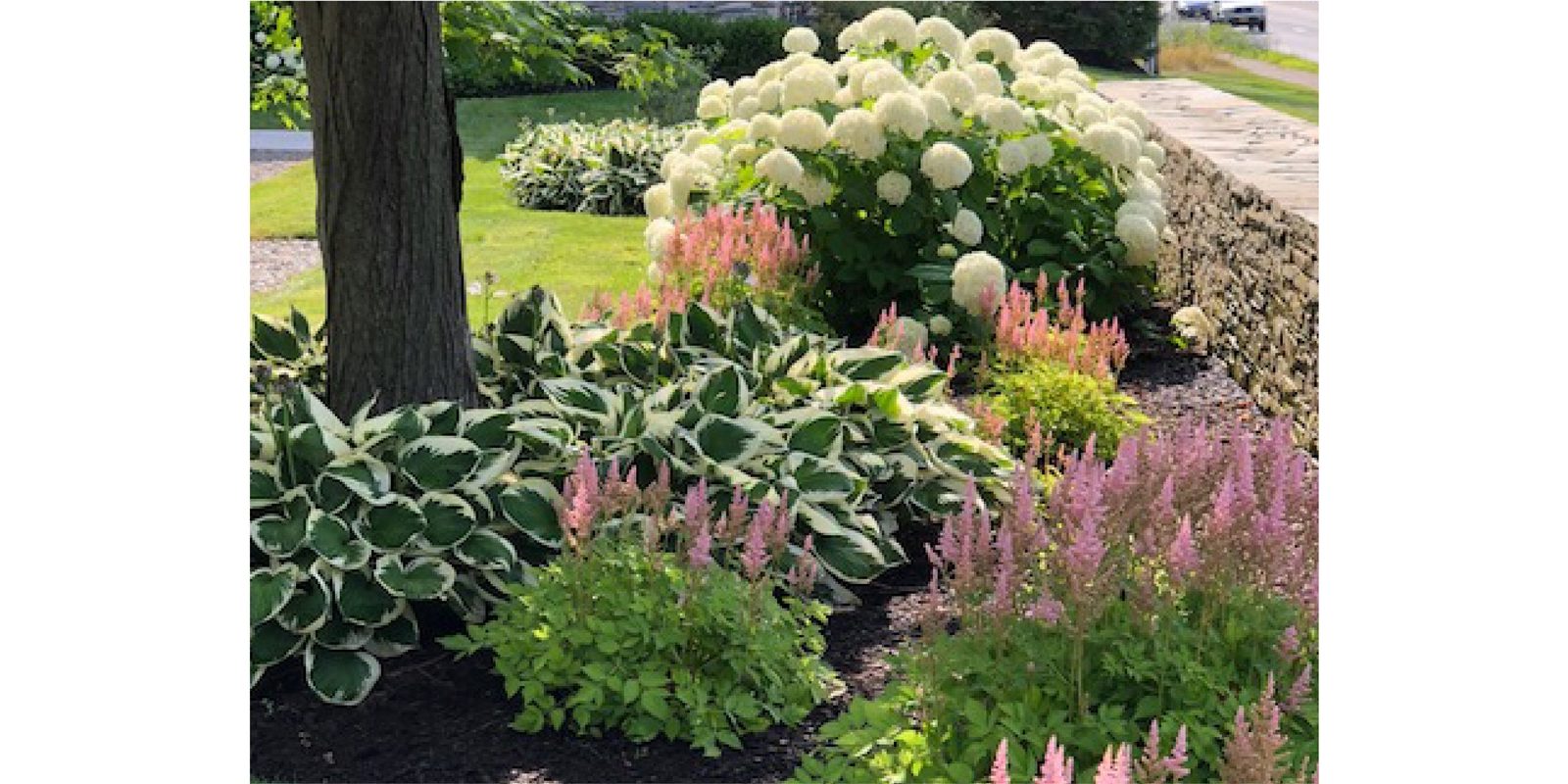
Use hydrangeas as a mid-height anchor in a mixed border, then layer lower perennials in front and evergreens or taller shrubs behind. Leave enough room to enjoy dried flower heads and foliage after the main display. A single well-sited shrub is more useful than several crowded plants that need constant cutting back. Take a garden photo, note where the sun moves, and use  Dirt AI to explore a balanced planting plan before you buy.
share this article