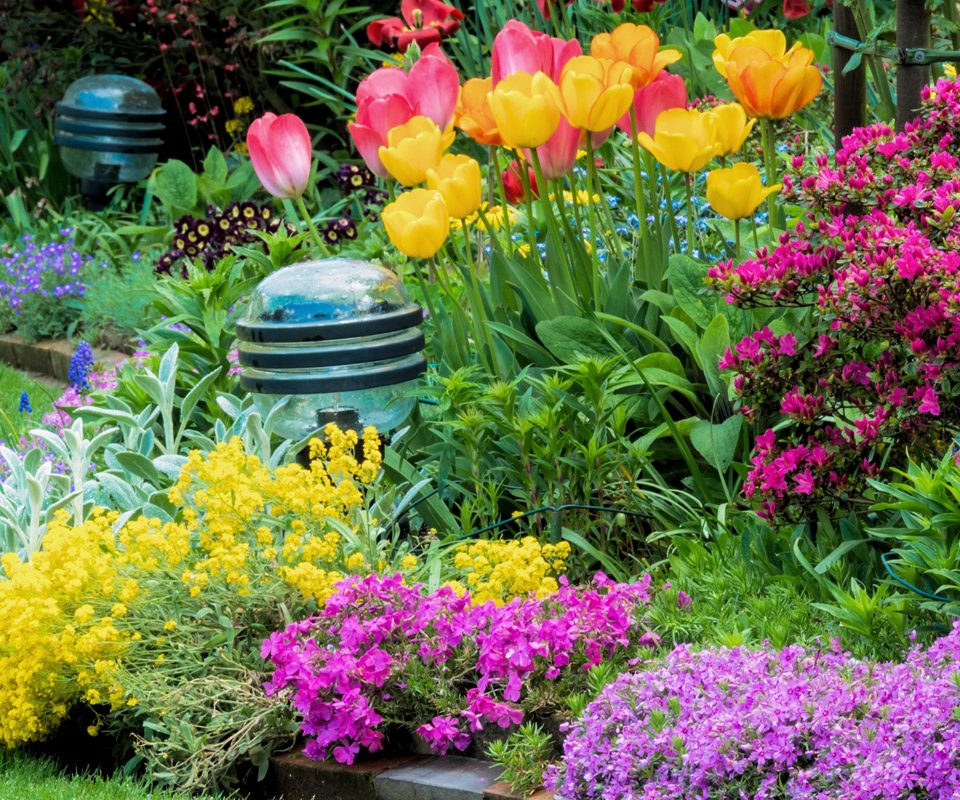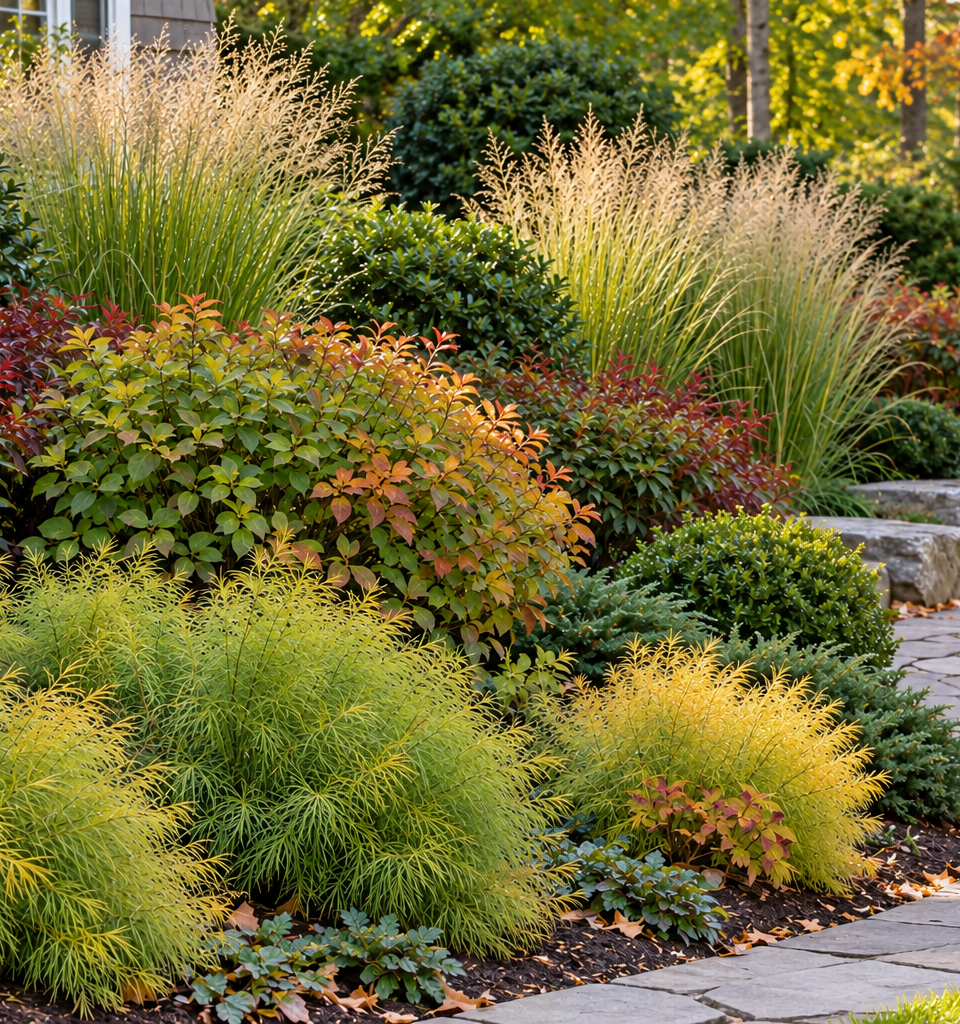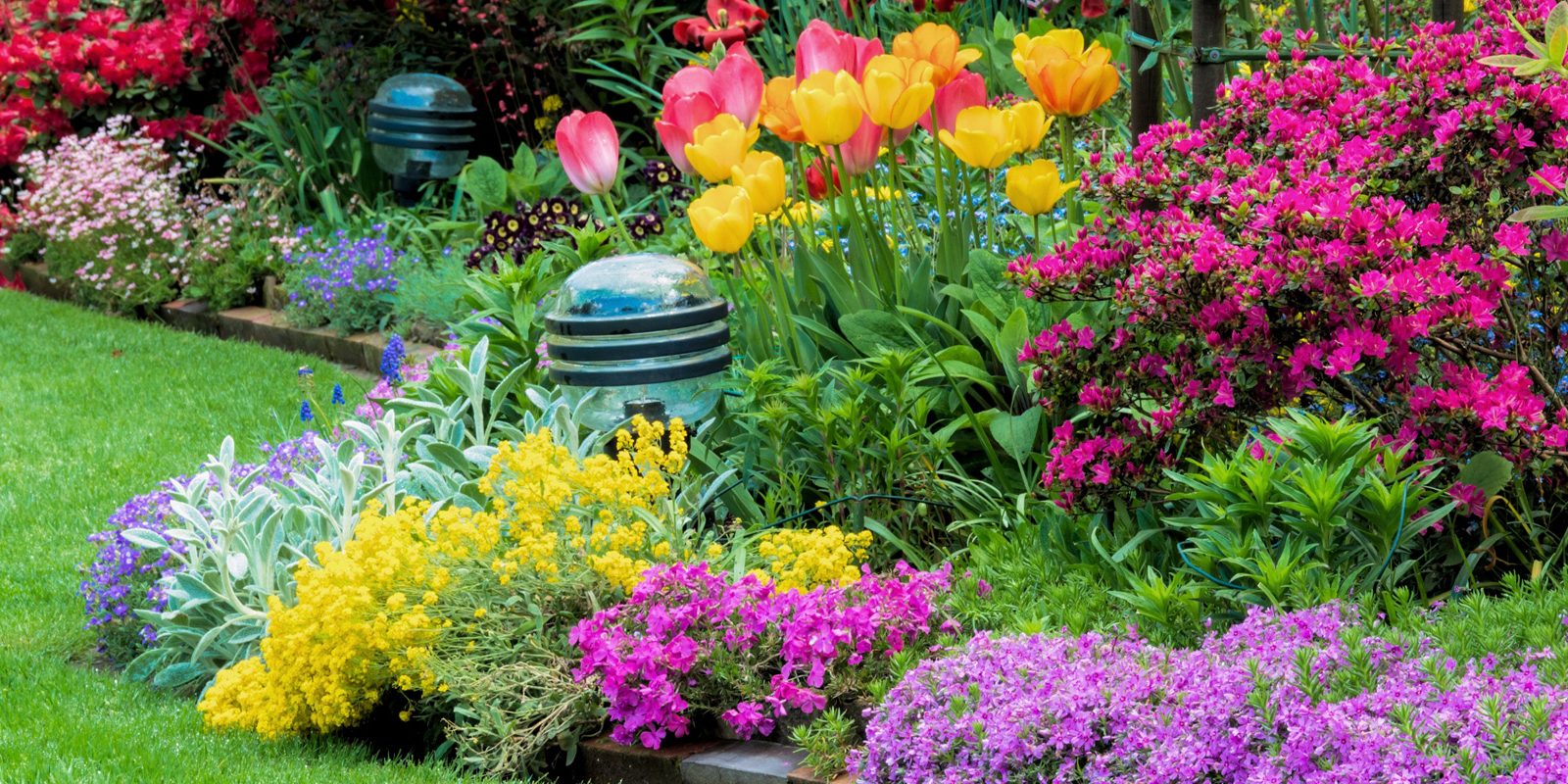
An eco-friendly garden does not need to be complicated or perfect. The most useful changes are practical ones: grow plants that fit the site, protect the soil, use water deliberately, create habitat, and avoid treating every insect or weed as an emergency.
Choose one or two changes for the coming season instead of trying to redesign the entire yard at once. A garden that you can maintain is more sustainable than a detailed plan that cannot survive a busy summer.
Put the right plant in the right place
Plants that match the available sun, moisture, space, and winter conditions usually need less rescue watering, replacement, and intervention. Observe a bed after rain and at different times of day before buying plants. A plant labeled drought-tolerant may still need regular water while it establishes, and a native plant still needs a location that suits it.
Start with a few well-chosen plants and repeat them for a calmer, more coherent garden. This makes watering, mulch, and maintenance easier to manage than a crowded collection of one-off purchases.
Build healthy soil and keep it covered
Compost, chopped leaves, and organic mulch can support soil structure and reduce bare ground. Use a soil test before adding fertilizer or pH amendments, then choose only what the bed needs. Keep mulch away from trunks and crowns, and avoid deep digging that damages roots or exposes dormant weed seed.
For a fuller approach to soil decisions, read how to improve garden soil.
Use water where it matters most
New plants need consistent moisture while they root in, even when the long-term goal is a lower-water garden. Water the root zone deeply and less often rather than wetting leaves with frequent shallow sprays. Group plants with similar moisture needs, repair leaks, and use mulch to slow evaporation.
If a low spot stays wet, work with it rather than fighting it. Choose plants that tolerate moisture, improve drainage only when it is feasible and appropriate, and keep water moving away from foundations.
Create habitat through plant diversity
A mix of flower shapes, bloom times, grasses, shrubs, and small trees can offer food and shelter through more of the year. Leave some seed heads and leaf litter where they do not create a safety or access problem. Choose plants native to your local area when they fit the site, and confirm local native status rather than relying on a generic label.
Use integrated pest management
Integrated pest management starts with observation. Identify the plant and the actual problem, decide whether damage is serious enough to require action, and use the least disruptive effective approach first. That might mean hand removal, pruning a damaged stem, improving airflow, or changing a cultural practice. The EPA's IPM guidance explains this prevention-and-monitoring approach for home gardens.
When a product is necessary, use the label exactly and choose a targeted solution for the documented problem. Avoid routine blanket spraying, especially when pollinators are active.
Make the next step small and specific
Choose a bed to improve, take a photo, record its conditions, and set one goal such as adding a pollinator sequence or reducing a dry patch's watering needs. Then use  Dirt AI to explore a plan that works with your yard instead of against it.
share this article