- 5 Plants That Work Hard in Fall Landscapes
Fall landscapes don’t have to rely on a single burst of autumn color. Some of the most useful plants earn their place by doing more—adding structure, texture, movement, berries, seed heads, and color that can carry a landscape well beyond the end of summer.
For landscape contractors and designers, choosing plants with strong fall performance can help create landscapes that continue to look intentional as the growing season winds down. And for homeowners, it means getting more seasonal interest from the plants already occupying valuable space in the landscape.
Here are five dependable choices worth considering.
1. Itea virginica — Virginia Sweetspire
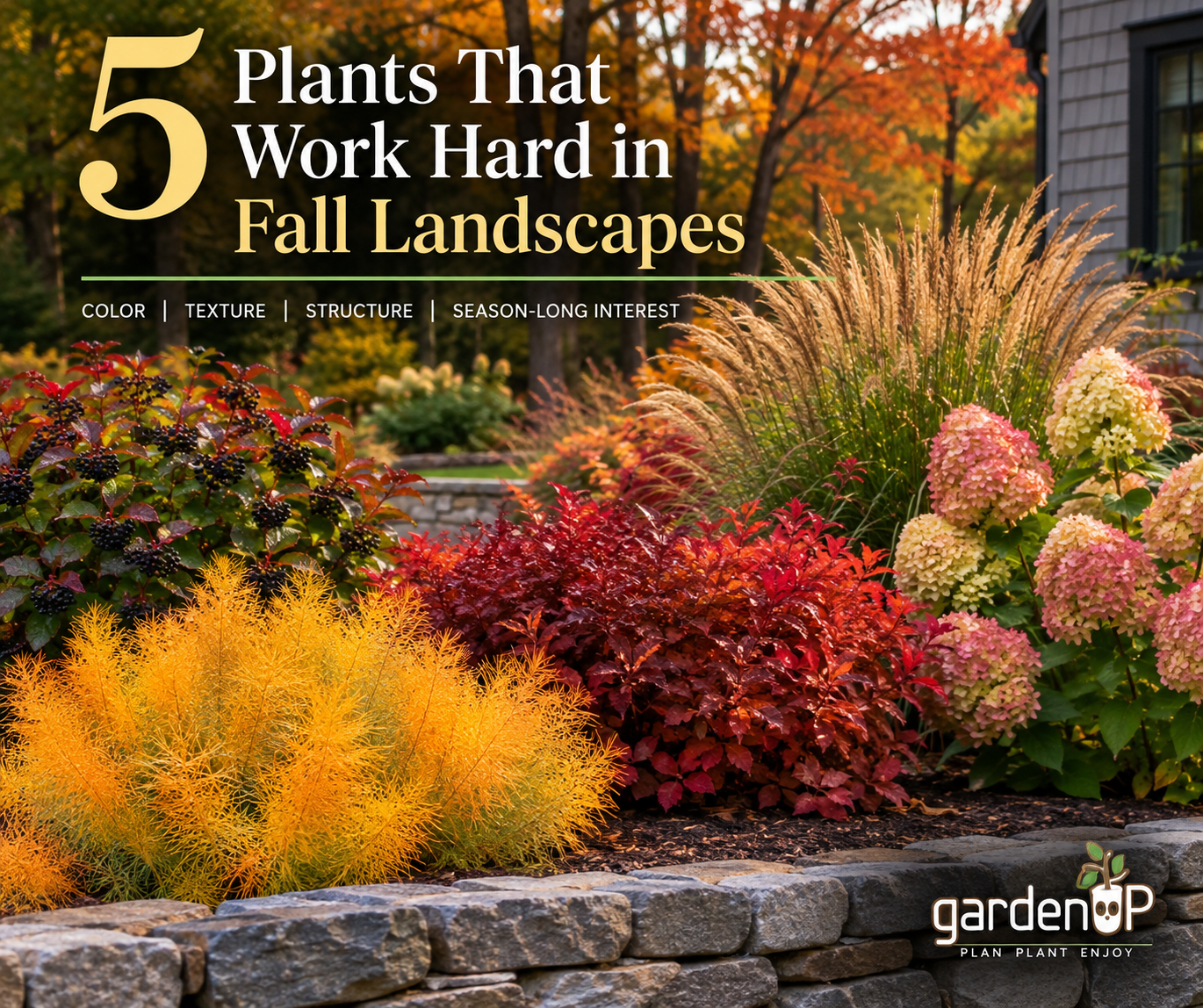
Virginia sweetspire is a versatile shrub that brings more than one season of interest to the landscape. Its fragrant early-summer flowers give way to foliage that can develop rich shades of red, burgundy, orange, and purple in fall.
It works especially well in mass plantings, along foundations, near woodland edges, or in areas where its arching form can remain natural. Many cultivars are also useful where a lower-growing shrub is needed.
Why it works in fall: Strong foliage color gives this shrub another season to perform after flowering has finished.
2. Panicum virgatum — Switchgrass
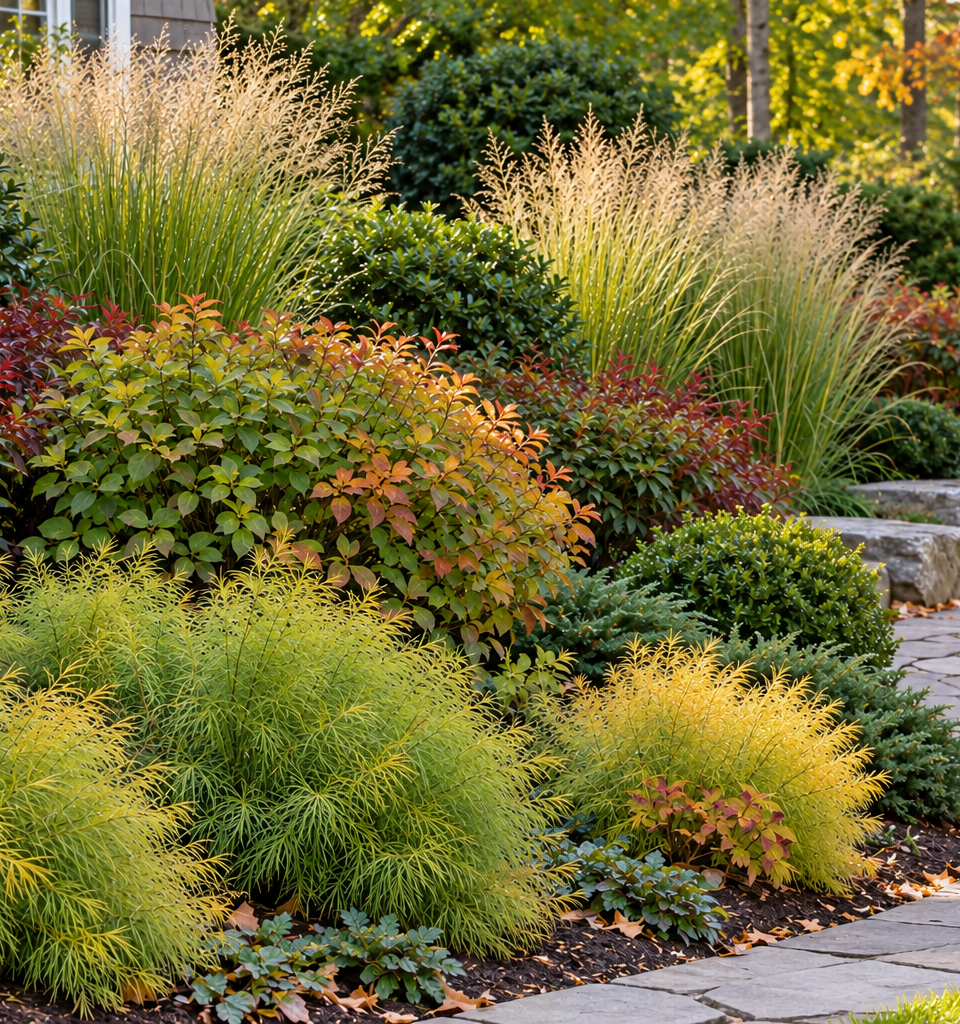
Ornamental grasses can completely change the character of a fall landscape, and switchgrass is an excellent example. Its upright habit adds structure while fine-textured foliage and airy flower panicles bring movement and softness to a planting.
As temperatures cool, many cultivars develop attractive golden, burgundy, or reddish tones. The dried foliage and seed heads can also remain attractive well into winter.
Why it works in fall: Texture, movement, color, and persistent structure extend interest beyond the traditional flowering season.
3. Aronia melanocarpa — Black Chokeberry
Black chokeberry is a hardworking native shrub with several seasons of appeal. Spring flowers are followed by dark berries, while fall foliage can turn brilliant shades of red, orange, and purple.
Its adaptability makes it useful in a variety of landscape settings, including naturalized plantings, shrub borders, rain gardens, and mass plantings.
Why it works in fall: Colorful foliage and dark fruit create a strong late-season combination while adding ecological value to the landscape.
4. Hydrangea paniculata — Panicle Hydrangea
Panicle hydrangeas are well known for their large summer flowers, but their usefulness doesn't end when summer does. Depending on the cultivar, blooms often transition from white or cream into shades of pink, rose, or deeper antique tones as the season progresses.
Rather than disappearing from the landscape after peak bloom, the flower heads can continue providing texture and structure through fall and even into winter.
Why it works in fall: Long-lasting blooms bridge the transition from summer into the cooler months.
5. Amsonia hubrichtii — Threadleaf Bluestar
Threadleaf bluestar may be best known for its soft blue spring flowers, but its fall performance is one of its strongest landscape features. Fine, feathery foliage turns a striking golden yellow, creating both color and texture.
Its rounded habit works beautifully in perennial borders and mass plantings, where several plants together can create an especially dramatic fall display.
Why it works in fall: Brilliant golden foliage gives this perennial an entirely different look late in the season.
Design Beyond the First Bloom
A successful planting plan shouldn't be judged only by how it looks in May or June.
Plants that contribute in multiple seasons can help contractors and designers build landscapes that feel complete for a much larger portion of the year. Fall is an especially good opportunity to combine shrubs, ornamental grasses, and perennials so that color, texture, fruit, seed heads, and structure work together.
With gardenUP, you can explore plant combinations and landscape designs that make it easier to think beyond a single season—and create landscapes designed to keep working throughout the year.
Explore gardenUP and start designing.
share this article